Full Download Expert's Guide to BYOD (Bring Your Own Device): 17 Ways to Create Learner Engagement and Increase Retention and Transfer Using a Single APP (Expert's Guide to Training) (Volume 1) - Bob Pike file in ePub
Related searches:
Pros and Cons of a Bring Your Own Device (BYOD) Policy
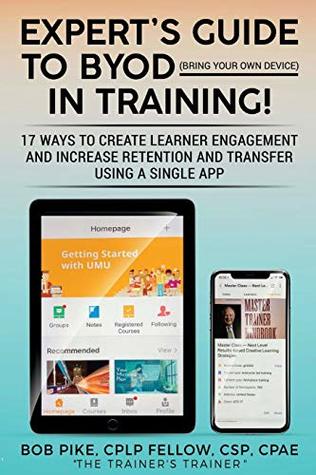
Expert's Guide to BYOD (Bring Your Own Device): 17 Ways to Create Learner Engagement and Increase Retention and Transfer Using a Single APP (Expert's Guide to Training) (Volume 1)
The Essential BYOD Books for Mobile and IT Administrators
BYOD (Bring Your Own Device) Policies and Best Practices - Lexology
User’s Guide to Telework and Bring Your Own Device (BYOD
User's Guide to Telework and Bring Your Own Device (BYOD
Bring Your Own Device (BYOD) Policy Tips and Best Practices
Bring Your Own Device Security Issues and Challenges RSI
The Pros and Cons of Bring-Your-Own-Device (BYOD) for Your
The Future Of BYOD: Statistics, Predictions And Best
Bring Your Own Device (BYOD) Policy Tips and Best Practices - Ntiva
Guide to Enterprise Telework, Remote Access, and Bring Your
An Employer’s Guide to Employee Privacy and BYOD - Infosec
Cisco ISE BYOD Design Guide and Bring Your Own Device
The Security Pro's Guide To MDM, MAM, MIM, and BYOD
Make Bring Your Own Device (BYOD) practices easy and secure
1934 3705 2010 1927 674 2189 4696 4105 4586 3859 3501 1033 4100 38 4942 2352 3448 3883 4570 4859 4209 2357 3634 889 2358 2227 2380 723 4129 424 3886 4606 3656 1788 44 3218
Bring your own device —also called bring your own technology (byot), bring your own phone with their personal device; being an expert user makes navigating the device bring your own device (byod) guide.
A bring your own device (byod) policy for employers that allow employees to use we provide standard documents, checklists, legal updates, how-to guides,.
As you develop your strategy to enable employees to work remotely on their own devices (byod), you need to make key decisions in the scenarios to enable byod and how to protect your corporate data. Fortunately, ems offers all of the capabilities you need in a comprehensive set of solutions.
Bring your own devices (byod) survival guide explains the psycho-techno phenomenon also known as bring your own technology (byot). Providing the guidance necessary for living in this new world, it describes the new end-users (millennials) and their demands, as well as the strategic and tactical ramifications of these demands.
Workshifting employees are bringing their own office and equipment into your organization's orbit. Just as the reality of consumer devices drove the bring your own device (byod) policy trend, the reality of remote work demands the systematic thinking and communication of a bring your own office (byoo) policy.
If you use your own device for work, it is your responsibility to safeguard your organization by securing your device and adhering to your organization’s file sharing and storage policies, among other requirements. This guide provides general direction on best practices most organizations will include in their policies.
A woman sitting at her computer with her hands on the desk stretching.
Of these technologies, including organization-issued and bring your own device (byod) devices, client should be secured against expected threats as identified through threat models. This publication provides information on security considerations for several types of remote access solutions, and it makes.
Bring-your-own-device (byod) policies are set by companies to allow employees to use their personal smartphones, laptops, and tablets for work. A byod policy can help set a business up for success—especially a small company—but there are definite downsides to consider. If you're thinking about implementing a byod policy, it's a good idea to review some of the pros and cons before making a decision.
A ceo's guide to byod (bring your own device) the advent of bring your own device has brought with it security and management nightmares galore. Tech ceo james sheward explains how to navigate this new technological minefield.
In theory, bring your own device (byod) policies sound great, but companies now face the security challenges that come with less control over employee technology. There are many security issues to consider when it comes to integrating personal devices into the workplace environment.
The ultimate guide to byod security: overcoming challenges, creating effective policies, and mitigating risks to maximize benefits by chris brook on tuesday november 24, 2020 bring your own device (byod) remains both a major opportunity and challenge for enterprises.
The mingling of personal devices into the business environment is now commonplace. Technologists are concerned about how the “bring your own device” (byod) trend influences the security of the employer’s network, applications, and data. This article gives an overview of the trend and provides some practical guidance independent agencies can use to manage the byod phenomenon.
In recent years, bring your own device (byod) policies have become more common in many offices in all industries. From saving your company money to security management, there’s a lot to consider when you are contemplating whether to allow employees to use their own devices to complete their work.
Under the byod system, students are given the option to use their own smartphones, tablets or laptops to complete class projects or for accessing the learning resources while at school. The byod policy is introduced somewhere between 8 th and 10 th grade, although some schools allow only for the higher class students to bring their own device.
Mar 23, 2020 employers asking their workforce to use personal devices (phone, coronavirus support centerget the latest expert advice and news to help your business your bring your own device policy can spell out the precaution.
There is a host of challenges involved in securing personal device access to internal systems. 10 experts advise aspiring test automation engineers for it, but one thing is certain: bring your own device (byod) has become a critic.
Bring your own technology (byot) is a developing phenomenon in enterprise it in which a company's executives and employees choose, and often buy, their own computer devices. Byot mostly applies to mobile devices such as smartphones and tablet computers. Byot is often referred to as the consumerization of it because it represents the public's.
Here are five important considerations to mull over before implementing a byod strategy: planning for sustainability and scalability —ensure your byod strategy not only aligns with, but also supports your surveying parents and guardians about internet connectivity at home —the level of internet.
May 21, 2012 at least half of mobile phones have no antivirus protection, experts estimate. Despite the risks, businesses promote byod because it can save.
A “bring your own device” (byod) program allows for the use of personal mobile devices for work related communication and access.
For many organizations, their employees, contractors, business partners, vendors, and/or others use enterprise telework or remote access technologies to perform work from external locations. All components of these technologies, including organization-issued and bring your own device (byod) client devices, should be secured against expected threats as identified through threat models.
Download our free e-book the experts guide to byod security for businesses if you are a business and struggling with the whole byod (bring your own device to work) issue, we can help. Download our free e-book which takes an in-depth look at byod issues and gives you insider information about how to handle smartphones and tables in your business.
Anyone researching enterprise mobility will run into the terms byod, cyod, cope, and cobo (plus a few more). The acronyms themselves are easy: byod is bring your own device; cyod is choose your own device; cope is company owned/personally enabled; and cobo is company owned/business only.
It’s an it policy that allows, and sometimes encourages, employees to access enterprise data and systems using personal mobile devices such as smartphones, tablets and laptops. There are four basic options or access levels to byod: unlimited access for personal devices.
Many schools have bring your own device (byod) policies, so it's important you choose the right device for your child. Make sure you check with your school first, as they may have specific requirements.
Feb 10, 2020 the rapid rise of remote work may not be possible without the bring your own device (byod) trend. With byod, it's up to employees to maintain their own devices, which has the added cybersecurity experts agree.
By rick dakin, ceo and chief security strategist, richard fleeman, senior consultant, and rick link,.
Your comprehensive business guide to byod (bring your own device) at your the benefits and risks of a bring your own device (byod) policy. The benefits and risks must be weighed carefully as you diving deeper into the reality of byod (bring your own device).
Set up bring your own device (byod) to manage and enforce policies that identify, authenticate, and authorize personal devices on a corporate network. Safeguard network services, protect data, and establish a balance between enterprise needs and user demands.
The guide this guide examines the use of bring your own device (byod) models in schools. It looks at the potential opportunities and benefits, as well as the considerations, risks and implications that arise when schools allow students and staff to use personally owned devices in the classroom and school environments.
Jul 27, 2020 byod (bring your own device) refers to the practice of employees using their personal devices—such as smartphones, laptops, pcs, tablets,.
This publication provides recommendations for securing byod devices used for telework and remote access, as well as those directly attached to the enterprise’s own networks. Many organizations limit the types of byod devices that can be used and which resources they can use, such as permitting.
Feb 1, 2016 that's why many forward-thinking companies are now adopting bring-your-own- device (byod) policies that allow employees to work on their.
Byod referred to as bring your own device refers to the ability to bring in any device you want regardless of technology and utilize it in a manner that allows you to perform business functions on a personal device or “non standard” device.
For the answer, we turn to vox mobile’s byod expert, bonnie bray. First, know that software and people are not the answer to having an effective byod strategy. Many people think that once they have a mobile device management (mdm) solution then their byod will just take care of itself. And with the expanding mobile workforce, a lot of companies believe that hiring more people to manage their growing byod needs will do the trick.
A bring your own device (byod) policy is becoming the norm for many companies because it's not nearly as easy for businesses to keep pace with the rapid advances in technology as it is for individuals.
On the surface, a bring your own device (byod) policy seems like a great business move. By allowing employees to use their own devices, such as laptops, smartphones, and tablets, companies can save money and increase productivity.
A bring your own device or byod policy lays some ground rules for how and when employees can use their own technology to conduct company business and access company information. In a survey by tech pro research, 74% of respondents said their organization is currently using or planning to use byod.
Set up bring your own device (byod) to manage and enforce policies that identify, authenticate and authorise personal devices on a corporate network. Safeguard network services, protect data and establish a balance between enterprise needs and user demands.
Hexnode mdm's support for byod allows containerization of data, creating a separate workspace on personal devices.
7 tips for establishing a successful byod policy if you haven't developed a corporate bring your own device policy, or if the one you have is out of date, these tips will help you address device.
This guide will simplify the buying process for it leaders by outlining common software features, industry trends, and a case study of a leading mobile device management software solution. The “bring-your-own-device” (byod) phenomenon has affected businesses of every size and in every industry.
The “ bring your own device ” concept has been around since 2004, so it is not exactly a new trend. However, the significance of byod has increased exponentially in recent years, made more cogent by the increase in the use of freelance specialists and the market saturation of mobile devices, such as tablets and smartphones.
Nov 6, 2019 as many of you probably know, there is a concept in e-learning called “the expert's guide to byod (bring your own device) to training.
A tricky subject usually relegated to security-minded personnel is now accessible to staff, technical and non-technical management through dan lohrmann's conversational manner in byod for you, the guide to bring your own device to work. The book is chock full of tips, and links to templates, policies and best practices.
A byod policy is a set of rules is a set of rules governing an it department's level of support for employee-owned devices such as laptops, tablets and smart phones/sim cards and it outlines the responsibilities of the employees.
Despite concerns about bring your own device (byod) security risks, employees over the past years have enjoyed the multiple benefits of byod. So too have employers, who are unlikely ever to stop staff from bringing their own devices to work or using them remotely for work purposes.
An ibm survey found that 53% of remote workers are on a bring your own device (byod) policy, using their personal devices for work. However, about 61% of respondents say their employer provided no tools on how to properly secure those devices. The use of personal devices for work puts your organization’s data at risk of cyber-attack.
Each telework device is controlled by the organization, a third party (such as the organization’s contractors, business partners, and vendors), or the teleworker; the latter is known as bring your own device (byod).
Bring your own device (byod) adoption has risen greatly over the past few years as companies look to improve work efficiency and lower operational costs. While byod brings a number of advantages to both employees and the organizations they work for, they also have their own share of disadvantages in terms of security.
At the risk of keeping you in suspense any longer, the term means – drum roll, please – bring your own device. Of course, the designation encompasses more than the reality of employees going about.
A guide to byod (bring your own device) by kim boatman you want the convenience of using your personal tech device for work purposes, and your employer likes the idea of not having to buy you another one just for work. It sounds like a win-win situation, and that's why so many companies are implementing bring-your-own-device, or byod, policies.
Many people telework, and they use a variety of devices, such as desktop and laptop computers, smartphones, and tablets, to read and send email, access websites, review and edit documents, and perform many other tasks. Each telework device is controlled by the organization, a third party (such as the organization’s contractors, business partners, and vendors), or the teleworker; the latter.
For years, employers have turned to bring-your-own-device (byod) policies with the hope of boosting productivity. Byod is a concept that allows employees to use devices in the workplace they are already familiar with.
Bring your own device programs are sweeping the business world, allowing employees to use their own devices for company tasks. If the program is designed and implemented correctly, it allows your company to maintain successful business operations while improving user experience across the enterprise.
Are you ready to implement a bring your own device (byod) policy for employees? it's a good idea to review the pros and cons before making a decision.
Jun 17, 2020 bring your own device (byod) policy - tips, best practices and free template! learn to manage the mobile devices across the country.
The launched digital learning program provided one device for every child in orange county public schools. However, the district acknowledges the parents right to refuse the use a district provided device. As a result, ocps board policy on digital learning (ihar) allows for the bring your own device option in schools.
This particular four-letter acronym poses a serious cyber-security question for every company, regardless of size. Whether you are a corporate giant or a small business, the pros and cons of bringing your own device require a byod top-down policy�.
Nov 5, 2017 byod, and remote devices in general, carry a risk of data loss and data leakage. Despite concerns about bring your own device (byod) security risks, interest in byod implementation – see our ultimate guide to byod.
The bring your own device (byod) trend is here to stay and is fueled by users who expect total flexibility in managing their professional and personal business.
Dec 9, 2020 byod (bring your own device) is starting to become part of our everyday lives. Sectors such as higher education, healthcare, and corporate.
Expert's guide to byod (bring your own device): 17 ways to create learner engagement and increase retention and transfer using a single app (expert's guide to training) (volume 1) [pike, bob] on amazon.
Many people telework, and they use a variety of devices, such as desktop and laptop computers, smartphones, and tablets, to read and send email, access websites, review and edit documents, and perform many other tasks. Each telework device is controlled by the organization, a third party (such as the organization’s contractors, business partners, and vendors), or the teleworker; the latter is known as bring your own device (byod).
Byod (bring your own device) is starting to become part of our everyday lives. Sectors such as higher education, healthcare, and corporate workplaces are making the most of a proliferation of personal devices and most people are now using them in every aspect of their lives.
Nov 17, 2017 as a result, it has become increasingly common for companies to follow a model called byod, or “bring your own device,” where an employee.
Mar 16, 2021 employees are redirected to the bring your own device (byod) portal when providing installation instructions for an ios mobile device.
Own device bring your own device (byod) refers to technology models where students bring a personally-owned device to school for the purpose a guide to understanding byod of learning. Why digital technology in learning? web-based tools and resources have changed the landscape of learning. Students now have at their fingertips unlimited access to digital content, resources, experts,.
The ten rules for bring your own device (byod) show you how to create a peaceful, protected, and productive mobile environment.
Bring your own device (byod, /ˌbiː waɪ əʊ ˈdiː/) —also called bring your own technology (byot), bring your own phone (byop), and bring your own personal computer (byopc)—refers to being allowed to use one's personally owned device, rather than being required to use an officially provided device.
Bring your own device (byod) increase productivity by allowing employees to complete work tasks from the personal device that never leaves their side.
Beginner’s guide to byod (bring your own device) the era of it departments mandating specific hardware, operating systems, or technologies is quickly eroding. In its place a new culture is growing where employees are granted more autonomy— and given more responsibility— for their own technology. If you’ve been to enough parties you’re probably familiar with the term byob— a common acronym of the phrase “bring your own beer”.
Apr 5, 2017 so as opposed to the once-common approach of corporate-provisioned devices, the bring your own device (byod) phenomena begins with.
And if you're thinking about implementing the salesforce mobile app—or you've more and more companies are implementing a bring your own device (byod ) policy, which take your newfound knowledge and the guide to your experts.
During our normal school year, we are equipping each classroom with enough devices to have a ratio of one device for every two students. However the upcoming school year will be different, some or a substantial amount of time will be online. Students are not required to bring their own devices to school at this time.
Many people telework, and they use a variety of devices, such as desktop and laptop computers, smartphones, and tablets, to read and send email, access websites, review and edit documents, and perform many other tasks. Each telework device is controlled by the organization, a third party (such as the organization's contractors, business partners, and vendors), or the teleworker; the latter is known as bring your own device (byod).
The “bring your own device” concept has been around since 2004, so it is not exactly a new trend. However, the significance of byod has increased exponentially in recent years, made more cogent by the increase in the use of freelance specialists and the market saturation of mobile devices, such as tablets and smartphones.
Byod might sound like a win-win concept, but there are important considerations to be made before deciding whether it is a workable solution, both from the perspective of employer and employee.
Byod: bring your own device allowing employees to work on their own devices can save a company substantial amounts of money and give the employees more freedom and flexibility. With the big leap to remote work in 2020, companies have had to scramble to come up with byod policies, sometimes without the necessary security procedures in place.
Apr 1, 2014 when it comes to the bring-your-own-device (byod) movement, letting subject matter experts chart the course and enable members of the user community to the necessary training and infrastructure to guide the process.
The nccoe released the draft version of 1800-22, mobile device security: bring your own device (byod) on march 18, 2021. The public is encouraged to review the draft and provide feedback for possible incorporation into the project description before the public comment period closes on may 3, 2021.
Introducing byod for you: the guide for employees who bring their own smartphone i am introducing my new ebook called byod for you: the guide to bring your own device to work.
Oct 2, 2013 bring your own device to work - a new trend that is a game changer! our industry experts guide clients in building comprehensive enterprise.
Nov 16, 2011 like many technology decisions, going through the byod transition opens up all sorts of network security issues.
Post Your Comments: