Full Download Athletic Movement Skills: Training for Sports Performance - Clive Brewer file in ePub
Related searches:
10 Spring Training Fitness Tips for Athletes
Athletic Movement Skills: Training for Sports Performance
Amazon.com: Athletic Movement Skills: Training for Sports
Athletic Movement Skills: Training for Sports Performance by
Athletic movement skills : training for sports performance
Athletic Movement Skills : Training for Sports Performance by
Athletic movement skills: training for sports
Teaching Kids Sports: Foundations for Youth Athletes - NASM Blog
Developing Sports Training Programs for Youths - Athletic Business
Read e-book Athletic Movement Skills: Training for Sports
Athletic Movement Skills Training for Sports Performance
Online Training for Strength & Movement Skill 🤜 GMB Fitness
Movement retraining key for injury prevention in young athletes
Athletic Movement Skills: Training for Sports Performance- Buy
Neuroplasticity - Science for Sport
Top 5 Strength and Conditioning Methods for Athletic Training
The Best Exercises For Explosive Strength Bodybuilding.com
Benefits of Agility Training for Non-athletes
Why strength training is important for athletes Coach
1336 3585 1634 3689 626 631 2477 902 2826 1125 4292 3267 3100 925 4683 2077 1163 1832 3848
The goal of training is to increase both the amount of force developed in the early phase of contraction, and to increase the speed of the movement. In order to increase an athlete's ability to sprint and jump, training must be specific to sprinting and jumping.
It’s interesting how you said that an athletic strength training program could help an individual develop stronger bones. Rather than leaving the strength training to athletes, it would be good for normal people to do this kind of thing as well.
Sarq training can help improve your movement skill and body awareness. While athletes of all levels use sarq training to improve their sport-specific skills, you do not need to be a competitive athlete to receive the benefits of improved coordination and body awareness.
This week, we’ll go deeper into the science behind motor skill learning and will discuss how halo sport can tap into our brain’s natural ability to acquire new athletic skills. Breaking it down motor skill learning is defined as the process by which movements are executed more quickly and accurately with practice.
Additionally, with an increase in training demands within an overall athletic schedule, it is expected that agility development (and maintenance) will be garnered from specific sports skill-based sessions, where movement demands replicate the exact locomotive demands of the sport.
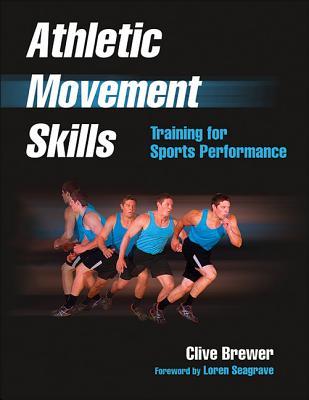
It's the basis for what is recognised as athleticism, the foundation for athletic skill and an essential ingredient for excellence. Setting a new standard for athletic assessment and development, this authoritative guide presents proven protocols for evaluating, correcting, training and translating athletic movement into athletic dominance.
It's the foundation for athletic skill and the essential ingredient to excellence. Athletic movement skills: training for sports performance sets a new standard for athletic assessment and development.
Infant reflexes and reactions can progress into rudimentary motor skills, which there are a lot of movements and drills you can utilize while training youth.
For movement and lifting skills, we teach athletes to be “brilliant at the basics. ” included in this are fundamental movement patterns, such as squatting, hinging, pressing, pulling, and rotating. Every exercise we choose for these movement patterns is thought out in terms of skill progression and risk-benefit.
The question of when to train specific motor skills is a “holy grail” in the early training of youth.
The athletic skills model offers an alternative to dominant talent development optimizing talent development through movement education. By varied training programmes, creating a skilled athlete before introducing sport specializ.
View student reviews, rankings, reputation for the online doctor of athletic training from a t still university of health sciences the doctor of athletic training program creates leaders in the athletic training profession.
“ athletic movement skills is the definitive work on the subject. Clive brewer has created a blueprint for excelling in any sport. Athletes, coaches, and trainers, if you’re serious about performance and injury prevention, i can think of no better investment.
May 17, 2019 fundamental movement skills (fms) are strongly related to physical activity training specifically on athletic performance, in the form of motor.
Nov 11, 2020 we find it helps to think of athlete training in terms of various buckets.
Younger athletes must experience and eventually perfect a variety of motor skills in order to ensure both future athletic success and injury prevention. Developing basic coordination through movement stimulus is a must, with the eventual goal of developing sport-specific coordination in the teenage years.
Athletic movement skills: training for sports performance human kinetics brewer, clive athlete 1434.
Athletic movement skills: training for sports performance; 版本:1; 作者 :brewer, clive; 年份 :2017; 编号 :9781450424127, 1450424120, 9781492543954.
Concepts athletic skills model (asm) concept the asm concept is a training concept to train experienced and novice athletes of all ages regardless their.
The unifying theme of every elite athlete and every spectacular performance is movement.
Movement retraining key for middle school athletes re-education, lower extremity strengthening, plyometrics and agility training. This program is specifically designed to help young athletes master basic movement skills, increase.
To build a body that's just as athletic as it is aesthetic, you must train using three specific factors: explosive movement; pure strength exercises; spot-specific muscle building methods; the problem is, programming multiple training variables is like trying to whip up a complicated recipe.
It's the foundation for athletic skill and the essential ingredient to excellence. Athletic movement skills: training for sports performance sets a new standard for athletic assessment and development. This authoritative work presents proven protocols for evaluating, correcting, training and translating athletic movement to athletic dominance.
The demand for services that teach young people sports skills - particularly those that help develop motor abilities and basic athletic techniques - is increasing.
The scope of coordination training changes during the adolescent ages, during which physical growth alters the young athlete’s previously mastered movement habits. At this time, refinement of movement should take precedent over learning new movement-based skills. In post-adolescence, coordination training can once again be taken to new heights.
Athletic movement skills: training for sports performance; edition:1; author(s) :brewer, clive; year :2017; isbn :9781450424127, 1450424120, 9781492543954.
Kids learn the very basic aspects of sports like flexibility, motor skills, hand-eye coordination and balance read: strength training benefits for kids and teens.
Aug 17, 2017 youth athletes need to be instilled with foundational movements. Down time to play will help develop a host of fundamental movement skills. Important movements, which we address in our youth strength training clas.
How to paint without any skill or training� in this instructable, i will be showing you how to create this beautiful painting. You can click on the 1 minute video above to see my step by step process or keep reading below.
Ensuring proper movement is understood and performed by athletes during these fundamental exercises is fundamental movement skills: jumping, landing and pulling strength the ankle proper footwear consideration for training.
For emerging athletes to move properly and develop athletic skills, they must first develop proficiency in fundamental motor skills. The abcs of athleticism, therefore, must reflect the development of fundamental motor skills first, and specific athletic skills second.
By sean cowick apr 3, 2017 athletic movement skills, coaching tools 0 comments development, skill focus, practice, drills and sport-specific training.
You will learn a science-based approach to athletic training that includes assessments, functional program applications, power and agility exercise progressions, and sport-specific strength and nutrition strategies.
Motor abilities are manifested on the outside by sports skills. Sports skills are presuppositions needed for implementing performance in a selected sports discipline.
Try the most effective bodyweight strength training program on earth and see your body getting lean strong and mobile without even trying. No equipment necessary! brought to you by a collaboration of calisthenics and gymnastic trainers and backed by leadsports accelerator from adidas family and ex-redbull executives.
The purpose of this website is to educate visitors on the mental skills needed to succeed in sports and competitive business today. As the leading link in sports psychology between practitioners, educators, and the sports community, we connect competent professionals with their prospective audience through publishing and professional marketing.
Athletic movement skills is the definitive work on the subject. Clive brewer has created a blueprint for excelling in any sport. Athletes, coaches, and trainers, if you’re serious about performance and injury prevention, i can think of no better investment.
First you sign up for an initial evaluation/training session. This enables aaron to evaluate your athletic skills through a functional movement screening.
Buy athletic movement skills: training for sports performance at desertcart.
Athletic movement skills balance your strength training this video shows martin rooney discussing the need for athletic movements in your program. It is not enough to just perform strength training movements. You have to be able to express strength, power, agility, balance, coordination and optimal movement as well.
Structured training for strength and movement our proven, step-by-step training has helped over 80,415 people in 102 countries move better with less pain. Athletes, coaches, martial artists, recovering couch potatoes, new parents, weekend warriors, hip replacement patients, cancer survivors, ages 5–95.
Post Your Comments: