Read Online History of the Byzantine Empire: From DCCXVI to MLVII (Classic Reprint) - George Finlay file in PDF
Related searches:
Rome The Byzantine Empire - HISTORY'S HISTORIESYou are
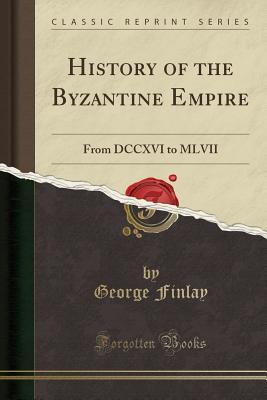
History of the Byzantine Empire: From DCCXVI to MLVII (Classic Reprint)
Guided practice: continuity and change in the Byzantine Empire
The Chronological Periods of the Byzantine Empire – Brewminate
A History of The Byzantine Empire - Local Histories
The History of the Byzantine Empire: From Its Glory to - Amazon.com
A Complete Overview Of The Byzantine Empire History - Bookshop
The Byzantine Empire by Captivating History Audiobook Audible
History of the Byzantine Empire, 324-1453
History of the Byzantine Empire - Wikipedia
Amazon.com: The History of the Byzantine Empire: From Its
The History of the Byzantine Empire: From Its Glory to Its
History of the Byzantine Empire, from DCCXVI to MLVII
History of the Byzantine Empire from DCCXVI to MLVII
A Short History of the Byzantine Empire (Short Histories) Dionysios
Eastern Roman Empire - The Byzantine Empire - Royalty.nu
The History of the Byzantine Empire: From Its Glory to Its Downfall by
The Byzantine Empire: History and Culture - TimeMaps
The History of Byzantium A podcast telling the story of the Roman
The History of the Byzantine Empire: From Its Glory to Its
History of the Byzantine Empire (Byzantium) Live Science
History of the Byzantine Empire From DCCXVI to MLVII by
History of the Byzantine Empire by Alexander Alexandrovitch
The Byzantine Empire: A Center of Wealth and Power
About the chronological periods of the Byzantine Empire
Women in the Byzantine Empire - World History Encyclopedia
12 Byzantine Rulers: The History of the Byzantine Empire
History of the Byzantine Empire I, 4th-9th Centuries - Arts & Science
12 Byzantine Rulers: The History of The Byzantine Empire on Apple
Book Review of History of the Byzantine Empire by A.A. Vasiliev
The Fall of the Byzantine Empire and Rise of the Renaissance
A History of the Byzantine State and Society Warren Treadgold
History of the Byzantine empire - Table of Contents - IntraText CT
How the Ottomans Collapsed the Byzantine Empire
Why was the Byzantine Empire important to world history
History of the Byzantine Empire, vols. 1 & 2 Logos Bible
How did the Byzantine Empire influence Russia? - DailyHistory.org
The Byzantine Empire Saint John Chrysostom Albanian Orthodox
The rise and fall of the Byzantine Empire - Leonora Neville TED-Ed
History of the Byzantine Empire From DCCXVI to MLVII (Paperback
Constantinople : Ancient Seat of the Glorious Byzantine Empire
A Brief Chronology of Important Events in the Byzantine Empire
Everything You Didn't Know About The Byzantine Empire
The rise and fall of the Byzantine Empire - Kidpid
Byzantine Empire - The 6th century: from East Rome to
History of the Byzantine Empire : George Finlay : Free
HISTORY OF THE BYZANTINE EMPIRE
A Millennium of Glory: The Rise and Fall of the Byzantine Empire
Byzantine Empire - Simple English Wikipedia, the free
The Byzantine Empire: History, Culture & Timeline - Video
The Byzantine Empire from the eleventh to the fifteenth
History of the Byzantine Empire - Infogalactic: the planetary
History of the Byzantine Empire Project Gutenberg Self
History of the Byzantine Empire : Finlay, George, 1799-1875
A HISTORY OF THE BYZANTINE EMPIRE - Local Histories
Lessons We can Learn from the Byzantine Empire — Market Mad
4680 588 2510 1922 4713 3006 595 14 1061 4711 4094 2495 1504 4081 291 2356 4175 1118 4040 1409 1144 99 1972 2549 2685 15 2933 357 3016 3556 3240 4065 70 4285 4612 410 403 1855 1776
A podcast telling the story of the roman empire from 476 ad to 1453.
Read 16 reviews from the world's largest community for readers.
T he ottoman empire, among the greatest the world has seen, was founded by the eponymous osman, a minor turkish chieftain from northwestern anatolia. His main rival was the declining and enfeebled byzantine empire, which had once controlled all of anatolia, though by the late 13th century encroaching turks had driven it to the westward edges of the peninsula.
Summary the defeat of the byzantine armyby the seljuk turks at the battle of malazgirt (manzikert) in 1071 ushered in a period of military decline, which, despite its fluctuations, culminated with the capture of constantinople by the ottoman turks in 1453.
This carefully crafted ebook: the history of the byzantine empire - from its glory to its downfall is formatted for your ereader with a functional and detailed.
The byzantine empire survived as a self-contained political entity longer than any other in the history of christianity. This history by charles oman is a catalog of good, bad, and indifferent emperors who either pushed byzantine civilization to new heights or savagely drove it to defeat and dissolution.
In this introduction to byzantine history, lars brownworth describes where byzantium came from and why defining byzantium is a murky and difficult task.
The word “byzantine” comes from the name of the ancient greek city of byzantium; it was this that the roman emperor constantine (reigned 324-37) expanded.
In the 4th century the roman empire split into two halves, east and west. The western part collapsed but the eastern roman empire survived until the 15th century. The name byzantine empire was invented in the 16th century, after its demise.
The defeat of the byzantine armyby the seljuk turks at the battle of malazgirt (manzikert) in 1071 ushered in a period of military decline, which, despite its fluctuations, culminated with the capture of constantinople by the ottoman turks in 1453.
The byzantine empire was a theocracy, said to be ruled by god working through the emperor. Jennifer fretland vanvoorst argues, the byzantine empire became a theocracy in the sense that christian values and ideals were the foundation of the empire's political ideals and heavily entwined with its political goals.
Jewish communities existed in the byzantine empire throughout its history, from the foundation of constantinople in 330 to the ottoman conquest of the city in 1453. The centers of jewish population and the status of the jews there underwent drastic changes throughout this long period and shifted under the impact of events within and outside the empire.
Discover the byzantine empire history from start to finish buy the paperback version of this book, and get the kindle ebook version included for free.
Oct 3, 2018 christians were not allowed to own weapons, although they were not barred from practicing.
It is from this time that we should start referring to the later roman empire as the byzantine empire. This is a term coined by modern scholars, and refers to the old name for constantinople, byzantium. It denotes the fact that profound changes had occurred, or were now taking place, within the empire.
The history of the emperors of the byzantine empire, also called byzantium.
Dec 28, 2020 the term “byzantine empire” is a bit of a misnomer. The byzantines understood their empire to be a continuation of the ancient roman empire.
Byzantine church, history of the term byzantine church, as used here, designates exclusively the official church of and in the byzantine empire from the death of justinian (565) to the fall of constantinople (1453), and does not cover its slavic offshoots nor the melkite patriarchates of antioch and alexandria.
Culture: how do we know what we know about human history? picture. Realizing that the roman empire had become too large to be ruled by just one man,.
Russia has a unique history, and the influence of byzantium on russia's culture, society, and politics cannot be understated.
May 21, 2019 the transformation of byzantium as the new seat of the roman empire was a turning point in the history of rome, as it marked the beginnings.
Unlike in many other medieval cultures, byzantine history, as written by the people of the period themselves, almost exclusively focuses on the exaggerated deeds and misdemeanours of emperors along with a separate and equally problematic literature on saints and squabbles over religious doctrine.
Byzantine history the history of byzantium is remarkably long. If we reckon the history of the eastern roman empire from the dedication of constantinople in 330 until its fall to the ottomans in 1453, the empire endured for some 1,123 years.
The fall of the roman empire was a pivotal moment in world history. But we sometimes forget that part of the roman empire continued.
The so-called byzantine empire; or byzantium, was one of the longest-lived and most successful polities in human history. Yet we often ignore the byzantines important contributions to human.
Jul 7, 2018 it has housed many great intellectuals of the time – anna komnene, the imperial princess who studied philosophy, and history in 12th century.
(comnenus,) in 1057, to the conquest of the byzantine empire by the crusaders, in 1204. This is the true period of the decline and fall of the eastern empire.
That was the reason i selected this history of the byzantine empire. It covers the entire period of the byzantine empire from constantine's establishment of constantinople to serve as new rome all the way to the fall of the empire in 1453.
The byzantine empire by the 4th century ce, the roman empire was divided into two parts: the latin west, governed from rome, and the greek east, governed from constantinople.
The byzantine empire (or eastern roman empire) was the name of the eastern remnant of the roman empire which survived into the middle ages. Its capital was constantinople, which today is called istanbul. Unlike the western roman empire, the most important language was greek, not latin, and greek culture and identity dominated.
The rise and fall of byzantium ( aka eastern roman empire) and its capital constantinople.
If we reckon the history of the eastern roman empire from the dedication of constantinople in 330 until its fall to the ottomans in 1453, the empire endured for some 1,123 years. Scholars typically divide byzantine history into three major periods: early byzantium, middle byzantium, and late.
The name byzantine empire is derived from the original greek name for emperor. The isaurian prominence ended when an aged civil officer of roman origin,.
285, when the emperor diocletian separated what became byzantium from the western roman empire, and ends in 1461, when the last byzantine.
One of the major changes in byzantine culture from late roman culture is the emergence of christianity.
History of the byzantine empire including a new rome, constantine and his city, three sons of constantine, julian the apostate, revival of the pagan cult, the frontiers of empire, emperor and bishop, rome and constantinople, odoacer, king of italy, end of the roman empire.
May 14, 2020 the byzantine empire was founded by constantinople in 330 ad and dissolved in 1453.
The disaster was the bubonic plague of 541–543, the first of those shocks, or traumas, mentioned earlier, that would eventually transform east rome into the medieval byzantine empire. The plague was first noted in egypt, and from there it passed through syria and asia minor to constantinople.
Key concepts: the byzantine empire our mission is to provide a free, world-class education to anyone, anywhere.
Oct 18, 2016 306-337) transferred the main capital from rome to byzantium, later known as constantinople (city of constantine) and nova roma (new.
The byzantine empire, also called byzantium, was the eastern half of the roman empire, based at constantinople (modern-day istanbul) that continued on after the western half of the empire.
Books lars brownworth has written a book on byzantine history called lost to the west: the forgotten byzantine empire that rescued western civilization. Brownworth reccomends include a short history of byzantium by john julius norwich, georgije ostrogorski's history of the byzantine state and timothy gregory's a history of byzantium.
The architecture of the byzantine empire was based on the great legacy of roman formal and technical achievements. Constantinople had been purposely founded as the christian counterpart and successor to the leadership of the old pagan city of rome.
Byzantine empire, the eastern half of the roman empire, which survived for a thousand years after the western half had crumbled into various feudal kingdoms and which finally fell to ottoman turkish onslaughts in 1453.
The inception of the byzantine empire though it was initially the ancient greeks who colonized the area in the 600’s bce, it was the empire of constantine the great who took that power in the area to new heights.
The byzantines pose a unique problem in ap world history: the peak of byzantine civilization.
Apr 5, 2018 most history books will tell you that the roman empire fell in the fifth century ce, but this would've come as a surprise to the millions who lived.
Post Your Comments: