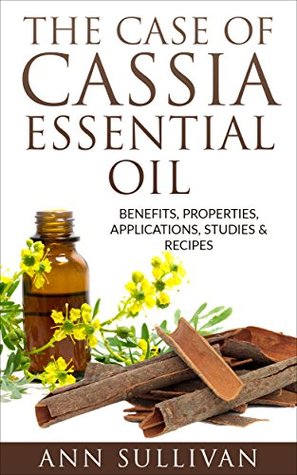
Read The Case of Cassia Essential Oil: Benefits, properties, applications, studies & recipes - Ann Sullivan file in ePub
Related searches:
791 3999 1153 1921 1324 1494 4110 1584 2450 2860 2483 172 2483 514 3657 4675 3095 1912 775 3288 2909 3209 2836 1538 2779 398 2391 4019 1024 2765 4694 2754 3812 3258 4884 3454 3545 1692
Cassia essential oil is a powerful natural astringent internally and externally. This oil promotes the shrinkage of mucous membranes and exposed tissues by regulating the secretion of blood serum and mucus. It makes the cassia essential oil a perfect remedy to treat uterine hemorrhaging, diarrhea and sore throats.
Organic cinnamon cassia can be used as a warming blend as long as great care is used when diluting, as it can easily irritate the skin. The scent of organic cinnamon cassia is reminiscent of the winter holidays, particularly when combined with complementary oils such as clove, and sweet orange.
Like so many other essential oils, cassia essential oil is manufactured by using the steam distillation process to create the oil out of the components of the plant. In this case, the steam distillation is applied to the leaves and twigs of the plant. In some cases, the bark of the chinese cinnamon tree is used to create the essential oil as well.
Although essential oils have long been used in traditional and alternative health practices, in recent years researchers have also begun to study their purported health benefits. Essential oils are aromatic, concentrated plant extracts that.
The essential oils that we use today are far from a novelty in the world of medicine. Depending on your condition, sometimes, nature holds all the answers you might need.
Use the essential oil for anointing the third eye for spiritual awareness and clarity. Keep in mind that cinnamon essential oil is very strong and can cause reactions on the skin. It is a good idea to dilute the cinnamon oil with a mild carrier oil before applying to skin. Ground cinnamon rubbed over the hands-on sunday will ensure victory.
Our new supply of cassia essential oil sourced from vietnam is distilled from the leaf, twig, and branch (including bark) of the tree.
Interested in learning how to use essential oils at home? whether you're inhaling the scent or applying the oil topically, here are some tips.
May 6, 2020 stir all ingredients together till well blended and cover with plastic wrap and the cassia essential oil supports healthy blood sugar balance,.
Certified usda cassia essential oil - healing solution's cassia essential oil is registered on the usda organic database 100% pure cassia essential oil - all of our essential oils are routinely tested for purity and results of these tests are publicly available.
Dec 25, 2015 the essential oil components of cinnamomum cassia: an analysis under different thinning models of plantation pinus massoniana.
Cinnamon gets its distinct aroma and taste from the essential oil cinnamaldehyde. It's also thought that cinnamaldehyde is responsible for many of cinnamon's potential health benefits — including its antioxidant, anti-inflammatory and antimicrobial effects, per an april 2014 review in evidence based complementary alternative medicine�.
An essential oil is a concentrated hydrophobic liquid containing volatile chemical compounds in australia essential oils have been increasingly causing cases of poisoning, mostly of children.
Cassia oil normalizes the skin's natural oils, shrinking pores and supporting a balanced, even complexion. This essential oil also helps reduce the presence of unwanted microbial activity. Cassia oil is credited with being an anti-inflammatory being good for minor sports injuries or bruising and grazes.
7th april 2021 update: hello world, adam michael here with the first april update. We are still processing orders received since we stopped accepting orders.
Cassia essential oil is a warming oil that helps promote a healthy immune function when ingested. * experimental research suggests that internal use of cinnamaldehyde, a major constituent of cassia, may support a healthy gastrointestinal tract. * cassia is a great oil to diffuse during cold months due to its warming properties and spicy scent.
The cassia essential oil (cinnamomum cassia) is certified organic, 100% pure and natural. This organic essential oil is a hebbd oil (botanically and biochemically defined essential oil).
It promotes healthy circulation, providing the body’s tissues with higher amounts of oxygen-rich blood. It also helps facilitate the distribution of nutrients throughout those tissues through a robust cardiovascular system. One example of this effect is the improvement of rheumatoid arthritis.
Cassia essential oil boosts circulation and is a stimulant, making it a powerful opponent against pain caused by arthritis and rheumatism. This pain relieving oil improves blood flow, warming joints ravaged by arthritis and rheumatism.
Cassia essential oil gives relief from gases forming in the intestines and drives them out of the body. Cassia essential oil can be used to treat uterine hemorrhaging and other internal and external hemorrhaging due to its astringent properties.
Cassia essential oil is a hot oil (can cause heat when used on the skin neat, and must be blended with carrier oil when used topically). Because of this, cassia essential oil is used in aromatherapy to help relieve symptoms of rheumatism, arthritis, and sore muscles.
Get your 100% pure cassia essential oil today! cassia is a small evergreen native to china. Cardamom has been used for thousands of years as an uplifting spicy fragrance. Earthroma's cassia essential oil is a popular oil in the fall and winter months due to it's warm cinnamon-like aroma. Cassia essential oil can be diffused to help with depression and uplift your mood.
Cassia oil is also the most antiseptic of all known essential oils and is considered by many as a tonic and stimulant. Scriptures related with this oil can be found in: psalm 45:8 and psalm 25:9.
From a comprehensive vendor approval process, to the testing of raw material at receipt as well as when product is ready to be shipped; we prove our dedication.
Dec 22, 2020 luckily, cassia oil is an anti-diarrhea agent; it's able to bind bowels and stop diarrhea episodes.
Used in many homemade cleaners, essential oils have scented superpowers that do more than hide vinegar's stench. Read on for 8 at-home uses! by caylin harris photo: shutterstock. Com while there are plenty of products on the market that prom.
In healthy adults with intact skin who wish to use cassia as part of a warming blend, dip a toothpick into the bottle through the orifice reducer and then remove, swirling the toothpick in 1 ounce of carrier oil; this is all that is needed for a safe dilution; add 3 drops of sweet orange and 2 drops of black pepper or coriander essential oils to complete the blend.
Heavy dilution, with a carrier oil, is recommended as cassia is a “hot” oil and can cause skin irritation.
Other articles where oil of cassia is discussed: cassia: from 1 to 2 percent oil of cassia, a volatile oil, the principal component of which is cinnamic aldehyde. Cassia bark is used as a flavouring in cooking and particularly in liqueurs and chocolate. Southern europeans prefer it to cinnamon, but, in north america, ground cinnamon is sold without distinction.
The benefits of essential oil remedies from ancient egypt to modern times, essential oils have been used to treat anxiety, aches, and even acne. Check out these 14 picks and learn how to harness their healing powers.
Aromatic scent: cassia essential oil has a pungent, warm scent. Cassia contains 1% to 2% volatile oil (cassia oil), which is mainly responsible for the spicy aroma. Cautions: cassia oil is a dermal irritant, dermal sensitizer and a mucus membrane irritant and should be avoided in pregnancy.
Cassia essential oil cassia, one of the few essential oils mentioned in the old testament of the bible, is known for its unmistakable aroma, calming properties, and countless health benefits.
Aromatic summary / note / strength of aroma: cassia essential oil has a pungent, warm scent from its 1% to 2% volatile oil that is mainly responsible for the spicy aroma.
Cassia is commonly known as chinese cinnamon, and its scientific name is cinnamomum cassia. Cassia essential oil, or cassia bark oil, is derived by steam distillation of the cassia bark, leaves and twigs. Cassia is similar to true cinnamon (sometimes called ceylon cinnamon) and mimics some cinnamon benefits and uses.
To help you sift through the essential oil shelf, we rounded up a list of best oils, along with specific recommendations and how to shop for what you want.
Antifungal activities against sclerotinia sclerotiorum by cinnamomum cassia oil and its main components.
Cinnamon cassia oil is steam distilled from the bark of the cassia tree, growing in india, nepal, and sri lanka. Cassia oil blends well with nutmeg, caraway, black pepper, frankincense, rosemary, and ginger oils.
Cassia (cinnamomum cassia) has a pleasantly spicy, cinnamon-like aroma that blends well with other spices, and citrus oils, and can be used in place of cinnamon while cooking. This delicious, energizing, yet soothing oil is enjoyed for its aroma, but is also used for a variety of health benefits.
Cassia is a member of the cinnamon family and children or pregnant women should avoid it except when it is in a blend.
Often mixed into a rub for arthritis and other aches and pains. One of the most pleasant of the essential oils to use in a diffuser as it's aroma is comforting and inviting. Cassia cinnamon blends well with other oils particularly orange, lemon, grapefruit, bergamot, clove, frankincense, and others.
Background information on cassia leaf essential oil cassia is tree native to asia.
How to use aromatherapy and essential oils to better your body and mind learn how to harness the healing powers of these special scents i am exhausted—i need to go to sleep this second, i thought.
Nov 30, 2016 cassia is an essential oil that was an ingredient in anointing oil as described in exodus 30:22–25 and in psalms 45:7–9.
Essential healing oils of the bible are a component of botanical matter, evident with a simple walk through of a fragrant garden. The aromatic properties escape a rose with the brush of a hand. So there’s little question why or how the ancients would have noticed this and utilized it in some form.
The ifpa pregnancy guideline also includes sassafras (sassafras albidum), cassia (cinnamomum cassia), mustard (brassica nigra), and elecampane (inula.
Post Your Comments: